



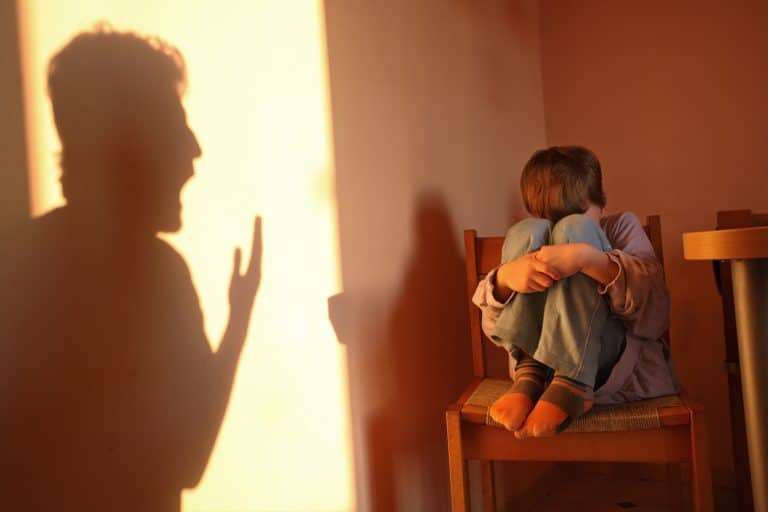


Gender based violence (GBV) is discriminatory violence directed at someone specifically because of their sex or gender. It is regarded as a human rights violation, and anyone of any age, anywhere in the world, of any demographic can be targeted. However, worldwide, women and girls are disproportionately impacted. GBV includes threats, coercion, economic, sexual, emotional, physical and psychological harm. It can take place in private or public settings. Much of the current GBV framework is focused on addressing the violence perpetuated against women and girls. While this is understandable given that they are more vulnerable than men and boys are, it creates additional challenges. One of which is that hidden suffering gender-based violence (GBV) against boys and men is overlooked within legal frameworks and GBV supportive systems. A resulting challenge with this dynamic is that it largely mitigates the reality and extent of GBV against boys and men.
“Gender-Based Violence is a Human Rights violation and a crime against all genders.”
Why GBV Against Bots and Men Is Overlooked
- Social Expectations Around Masculinity: 54,4% of men report that to be a real man, you need to be tough. This means denying victim status to prevent being seen as “unmanly”. Additionally, traditionally, across many cultures, expressing or showing vulnerability is considered a weakness.
- Stigma and Shame: Men who report GBV fear that they won’t be taken seriously and/or being victimised risk ridicule and/or deemed the perpetrator.
- Misrecognition of Female-on-Male Abuse: Trivialisation and/or disbelief due to the continued perpetuation of the myth that women can’t and/or won’t ever be perpetrators of violence.
- Minimising Seriousness by Reframing GBV: For example, a boy or man being raped is not rape but considered to be torture.
- Recognition Opposition: One of the primary complications of gathering data on GBV against boys and men is the continued opposition to the promotion of awareness of GBV against men. This is due to the misunderstanding that in highlighting the issue, it will promote a misogynist agenda and detract from the severity of the crisis of GBV against girls and women.
- Lack of Data and Policy: Despite there being an increasing amount of data on the issue, the lack of research and little empirical evidence creates challenges. Specifically, in the carrying through of policies, advocacy and strategies to assist in preventing and intervening in GBV against boys and men.
- Focus on Girls and Women: Due to the higher prevalence of GBV against girls and women, GBV against boys and men is seen as a less urgent issue.
Does GBV Affect Boys and Men?
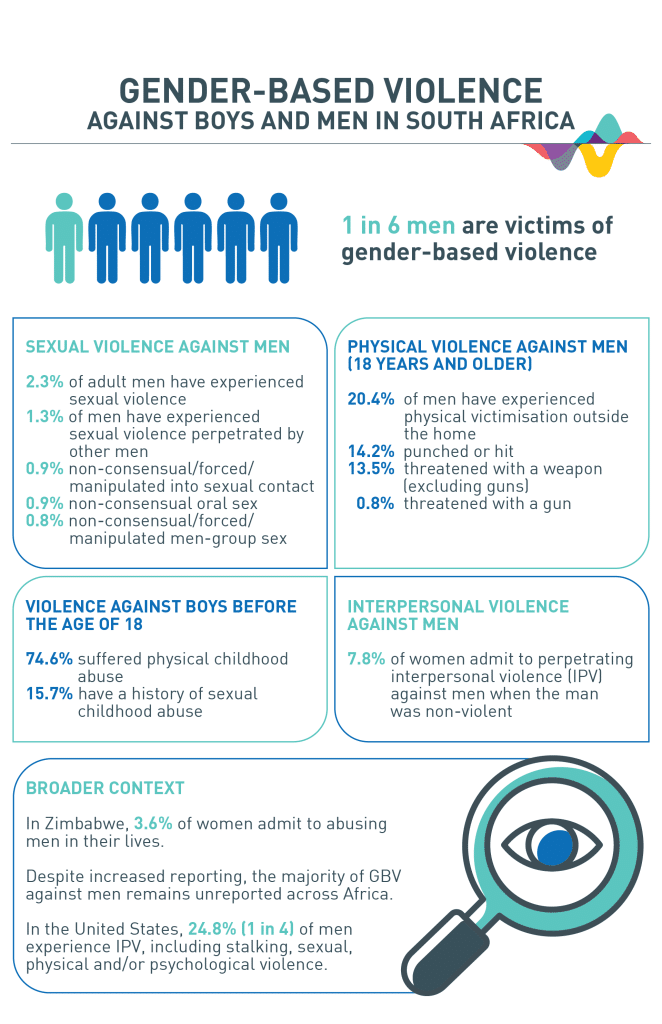
GBV affects boys and men. They can and do experience physical, sexual, emotional, mental and financial abuse. However, the full scale of GBV, specifically sexual (SGBV) against boys and men, is unknown. Therefore, the data is under-reflective of the true impact. This is because GBV against boys and men continues to be a hidden issue, which many organisations are reluctant to engage with.
Legal Framework for Gender-Based Violence
Worldwide GBV definitions are mostly gender neutral as they are contextualised as harmful acts directed at an individual or within unequally powered. This means that victims include all gender identities. For example, but not limited to, boys and men, girls and women, and LGBTQI+.
“Gender-Based Violence refers to harmful acts directed at an individual based on their gender. It is rooted in gender inequality, the abuse of power and harmful norms.”
UNHCR Definition of GBV
South African GBV Legal Context
Rape, according to the South African Criminal Law (Sexual Offences and Related Matters) Amendment Act 32 of 2007, is gender neutral. This enables there to be a legal recourse for men and boys who have experienced GBV, specifically SGBV. However, the majority of disaggregated reports in South Africa offer information on women and children but not on men as victims of GBV. Additionally, there continues to be very little research focused on GBV against boys and men, which is problematic given the potential consequences thereof.
4 Factors That Contribute to Male Vulnerability to GBV (Unique to Men)
1. Lack of Support Services for Men
Despite the high incidence of violence against men, there is a stark difference in support services available to men vs women. For example, ManKind, a charity focused on male abuse, reports that only 24% of the refuge services available for domestic abuse victims are for men. Furthermore, men are seldom asked about their domestic relationships and health care professionals often dismiss signs of physical abuse. Reports indicate that this is due to a lack of training and support aimed at male victims of GBV.
2. Institutional Power Dynamics
Institutional settings, such as prisons, the military and care homes, are notorious for GBV against men. This is because of their inherent hierarchical structure, which creates an imbalance of power. The result of this is that there is little to no recourse for victims of abuse. Additionally, abuse is often contextualised as punishment, discipline or used as a mechanism to exert control. Toxic male stereotypes, for example, focused on being tough to be a man, are perpetuated, which decreases the likelihood of GBV reporting while increasing its manifestation.
3. Criminalisation of Same-Sex Acts
There are 65 countries across the world where homosexuality is illegal, and this number continues to increase. However, this number does not include countries where there are repressive laws or where same-sex relationships are targeted and/or repressed. Most recently, Burkina Faso, Trinidad and Tobago, as well as Mali have all instituted homophobic penal codes (anti-gay laws). For example, laws against consensual same-sex. These types of laws result in the exacerbation of male-GBV, increase boy and male vulnerability and silence victims from reporting or seeking support. These contexts are made worse and supported by social stigma. For example, according to a study, 31,5% men believe that it is shameful to have a gay son.
4. Conflict Settings in Male-Targeted SGBV
Weaponised sexual violence is prolifically used within conflict settings. It’s an effective way of controlling, demoralising and terrorising men as well as undermining masculinity. Furthermore, it’s not uncommon for it to be used as an interrogation and punishment mechanism. Due to fear of escalation, stigmatisation and shame, reporting male-targeted SGBV is severely limited.
Types of GBV Experienced by Boys and Men with Examples
- Institutional Violence: Control, discipline, punishment, sexual extortion and servitude and status enforcement.
- Conflict-related SGBV: Sexual torture, gang rape, forced nudity/exposure, sexual mutilation like castration, and sexual acts focused on humiliation.
- Exploitation: Within migrant, displacement and refugee contexts, boys and men are vulnerable to trafficking, prostitution and sexual exploitation.
- Engendered Physical Assault: Public shaming and beatings based on toxic masculinity, stereotypes and homophobic stigma. In some countries, this type of violence against men is state-sanctioned.
- Care Settings: Older men as well as boys at boarding schools, in children’s homes and/or care settings are vulnerable to sexual, emotional and physical abuse. As well as neglect and exploitation by both residents and staff.
Why Boys and Men Don’t Report GBV
For many boys and men, it’s not easy to report GBV. This is due to reasons like fear of being seen as unmanly, beliefs, social stigmatisation, internalised guilt or blaming and fear of consequences. Additionally, inaccessible support services, a lack of legal framework and protections of men who experience GBV and fear of secondary victimisation result in boys and men not reporting GBV.
- Shame and stigma.
- Threats to masculinity.
- Perpetuation of stereotypes.
- Historically based cultural and traditional norms.
- Lack of recognition that males are/can be abused.
- Absence of accessible male-friendly support services.
- Distrust in the legal system and the likelihood of justice resulting.
- Fear of not being believed or being blamed.
- Minimisation or normalisation of male experienced abuse.
- Fear of retaliation and repercussions.
Consequences of GBV for Boys and Men
The consequences of abuse for boys and men are severe and long-lasting. Boys and men who experience abuse often experience mental health issues, for example, depression and anxiety. They also tend to suffer from physical injuries and have an increased risk of suicide.
Examples of Long-Term Impact of GBV on Men
- Masculine Identity Disruption: Conflict between being a victim and masculine-related societal expectations and norms can result in an identity struggle.
- Risk of being seen as a perpetrator: Male-GBV disclosure can carry a high risk of being a suspected perpetrator or being blamed for the abuse. This is especially true within IPV contexts.
- Social isolation: Fear of trivialisation, disbelief, being shamed, and stigma prevents disclosure and can result in social withdrawal.
- Relationship and Trust Difficulties: Forming and maintaining relationships with others can be difficult, as GBV survivors can battle with trust and vulnerability.
- Mental Health Challenges: Male survivors of GBV often experience depression, anxiety, PTSD, self-confidence challenges and have a higher risk of suicide.
- Patterns of Violence: There is a heightened risk of perpetuating violence or entering abusive relationships for men who experience GBV or childhood abuse trauma.
Why Recognising Male Survivors Supports the Fight Against GBV Overall
The acknowledgement of GBV against boys and men is not in opposition to that of girls and women. Nor should it detract from the seriousness and magnitude of GBV against girls and women. But in order to adequately start addressing GBV as an overall crisis, the causes and consequences of GBV against all genders need to be continuously addressed. Staying silent and allowing stereotypes and stigma to continue perpetuates this crisis. In contrast, supporting all survivors and helping them report GBV assists in breaking the legacy and cycle of GBV for generations to come.
“Acknowledging GBV against men assists with combatting GBV against women.”
How to Help Victims of Boy and Male GBV
- Develop male-friendly services.
- Train law enforcement and health-care professionals in how to assist and support male-GBV victims.
- Increase research into male-GBV and improve reporting mechanisms.
- Integrate male-GBV awareness into policy, legislation and public GBV campaigns.
- Improve public awareness.
- Educate around stigma, stereotypes and toxic masculinity.
- Establish peer support groups.
Study at SACAP
SACAP offers psychology and counselling qualifications that can lead to a career of helping to support and empower GBV-survivors. Our graduates have a blend of skills, critical thinking, the ability to be responsive to the needs of society and catalysts of change. SACAP qualifications are accredited by the Council on Higher Education (CHE) and registered on the National Qualifications Framework (NQF) by the South African Qualifications Authority (SAQA). SACAP is also internationally recognised and fully accredited by the British Accreditation Council (BAC). Click here to apply.
GBV against Boys and Men FAQs
1. Does GBV affect men?
Yes, GBV affects men. Studies show that in South Africa one in six men experience GBV in the form of physical, sexual, emotional, mental and/or financial abuse.
2. Why don't men report GBV?
Some of the reasons men do not report GBV are stigma, shame, threats to masculinity, cultural and traditional norms, lack of services and distrust of legal systems.
3. What types of GBV affect men?
Men can experience all types of GBV. However, they are particularly vulnerable to institutional violence, conflict-related sexual GBV, engendered assaults and exploitation.
4. Is GBV only for women?
Although girls and women are disproportionately affected by GBV, GBV is not exclusive to women. Men can experience all forms of GBV.
5. What are the impacts of GBV on boys and men?
Examples of the impact of GBV on men include masculine identity disruption, risk of being seen as the perpetrator, secondary victimisation, social isolation and relationship challenges. As well as mental health problems, increased suicide risk and continuing patterns of violence.
Related Courses


Bachelor of Applied Social Science (Majoring in Psychology and Counselling)

Applied Psychology

3 years full-time, 5 years part-time


Bachelor of Applied Social Science (Majoring in Psychology and Criminology)
Applied Psychology
3 years full-time on campus, or 5 years part-time online